
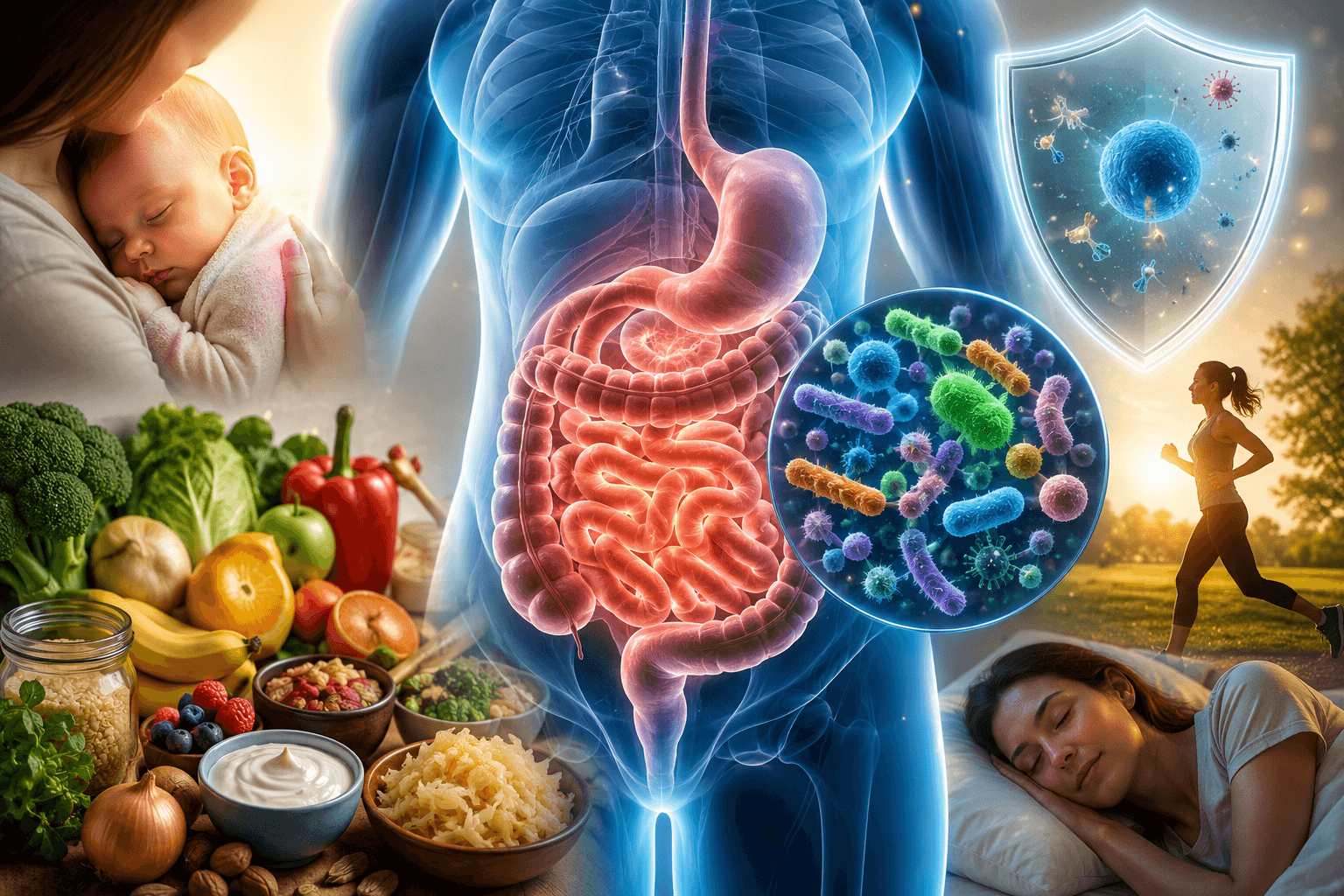
The human body is home to trillions of microorganisms that play a crucial role in maintaining overall health. This vast community of bacteria, fungi, viruses, and other microbes is known as the human microbiome. Far from being harmful, many of these microorganisms work together to support essential bodily functions, influence immunity, aid digestion, and help protect against disease.
The human microbiome refers to the collection of microorganisms living in and on the body. While microbes are found throughout the body, the largest and most diverse population resides in the digestive tract, commonly known as the gut microbiome.
Scientists have discovered that the microbiome acts almost like an additional organ, communicating with various systems in the body and influencing overall well-being.
The formation of the gut microbiome begins at birth. During delivery and early infancy, a baby is exposed to microorganisms from the mother and surrounding environment. Factors such as delivery method, breastfeeding, nutrition, and lifestyle help shape the early microbial community.
As a person grows, the microbiome continues to evolve and adapt, becoming a unique ecosystem that supports health throughout life.
One of the microbiome’s most important functions is supporting digestion. Beneficial gut bacteria help break down food, absorb nutrients, and produce essential compounds that the body needs.
A balanced microbiome can:
When the balance of beneficial and harmful microbes is disrupted, digestive issues may arise, including bloating, discomfort, and irregular digestion.
A significant portion of the body’s immune system is closely linked to the gut. The microbiome helps train and regulate immune responses, enabling the body to distinguish between harmful pathogens and beneficial organisms.
Research suggests that a healthy microbiome may:
Maintaining microbial balance is therefore essential for overall immune health.
Emerging scientific evidence indicates that the microbiome plays a role in reducing the risk of various health conditions. Imbalances in the gut microbiome, often referred to as dysbiosis, have been associated with a range of chronic diseases.
Studies continue to explore links between microbiome health and:
Although research is ongoing, maintaining a diverse and balanced microbiome is increasingly recognized as an important factor in disease prevention.
Several lifestyle and environmental factors can impact the composition of the microbiome, including:
A nutrient-rich diet containing fruits, vegetables, whole grains, and fermented foods can encourage beneficial microbial growth.
While antibiotics are essential for treating bacterial infections, excessive or unnecessary use may disrupt microbial balance.
Regular exercise has been associated with greater microbial diversity and improved gut health.
Chronic stress can negatively affect the gut microbiome and overall digestive function.
Adequate sleep supports both immune function and microbial balance.
To promote a healthy microbiome, consider the following habits:
These simple lifestyle choices can help nurture beneficial microorganisms and support long-term health.