
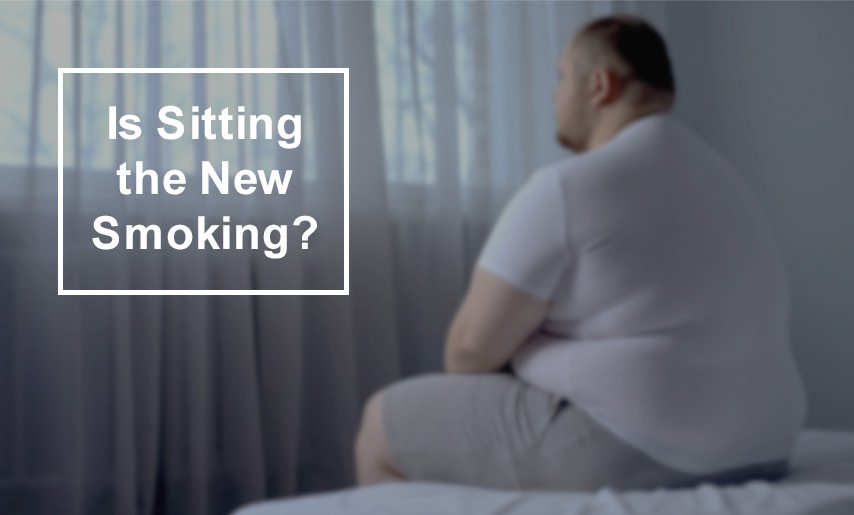
Yes, you heard that right. Sitting in a chair, on a couch or reclining for long hours can actually lead to an early death. We spend most of our day sitting. It starts with sitting on the toilet, then on a dining chair for breakfast, then in the car while travelling to work. Once at work, we sit for another 7–8 hours at desks or in meeting rooms. Then we sit again while driving back home, watching TV, having dinner and finally going to bed. Experts compare prolonged sitting with smoking and say that sitting for 8 hours a day can be as harmful as smoking 20 cigarettes.
You must have seen health warnings on cigarette packets saying that smoking can kill you. Similar warnings are also seen on alcohol bottles. Eating fast food has also been linked to health problems such as high cholesterol, diabetes, obesity and hypertension. But what would be your reaction if, in the future, you see a warning sign saying: “Sitting can be injurious to your health”?
Let’s look at evolution, which has been happening for millions of years and will continue in the future, as long as the planet survives.
Our ancestors, thousands of years ago, were hunter-gatherers. They walked for long distances daily. They also had to run—sometimes very fast—to escape danger or to chase prey. But they did spend time resting during the day. Scientists compared heart disease in modern humans with that in the hunter-gatherer Hadza tribe of Tanzania. Hazdas have a much lower chance of developing heart problems than modern people. The study showed that although our ancestors spent as much or even more time resting than we do, their risk of heart attacks was far lower.
So what is the difference between the rest they took 70,000 years ago and the rest we take today? The first difference is posture. We sit in chairs, often slouching and bending our necks forward. Our ancestors mostly knelt or squatted. In these postures, their back, gluteal, thigh and leg muscles remained active. But when we sit, these muscles are inactive and loose. Second, our ancestors were involved in activities like making tools, preparing food or interacting with others while sitting. Research shows that squatting or kneeling activates muscles far more than sitting on a chair, which means more calorie burning.
Today, going to the gym has become common, even for people above 40. But surprisingly, the health benefits of regular workouts can be completely cancelled out by sitting for long hours afterward.
Let’s see how sitting affects our body:
Low Back Pain
Prolonged sitting places a lot of strain on the lower back and spine. Poor posture adds to this problem, causing misalignment. Sitting weakens the core muscles, causes fatigue and contributes to chronic low back issues.
Heart Disease
Sitting means little physical activity, which increases the risk of heart disease. The more you sit, the higher your chance of a heart attack. Sitting also leads to weight gain and diabetes—both major risk factors for heart disease. Remember, sitting is the new smoking.
Cancer
A sedentary lifestyle and sitting too much may independently increase the risk of certain cancers, similar to smoking or consuming too much red meat.
Obesity
A century ago, daily life required physical movement. There were no phones, no running water and no attached bathrooms. People moved constantly, so weight was naturally kept in check. Today, we barely move. As a result, obesity has become common, leading to hypertension, diabetes and heart disease.
Vascular Problems
Sitting slows down blood flow in the legs. Calf muscles play a crucial role in pushing blood upward toward the heart. When we sit, these muscles stop working. Blood can pool in the legs, increasing the risk of Deep Vein Thrombosis (DVT). Rarely, a blood clot can break loose, travel to the lungs and block a pulmonary artery, causing a pulmonary embolism—a potentially fatal condition.
So what should we do?
Get up every hour, stretch or take a short walk.
Use standing desks whenever possible.
Drink water by walking to the cooler instead of keeping a water bottle at your desk.
Some offices even offer treadmill workstations that allow you to walk while working.